
Jazz Ramble
Australian jazz, and other ramblings
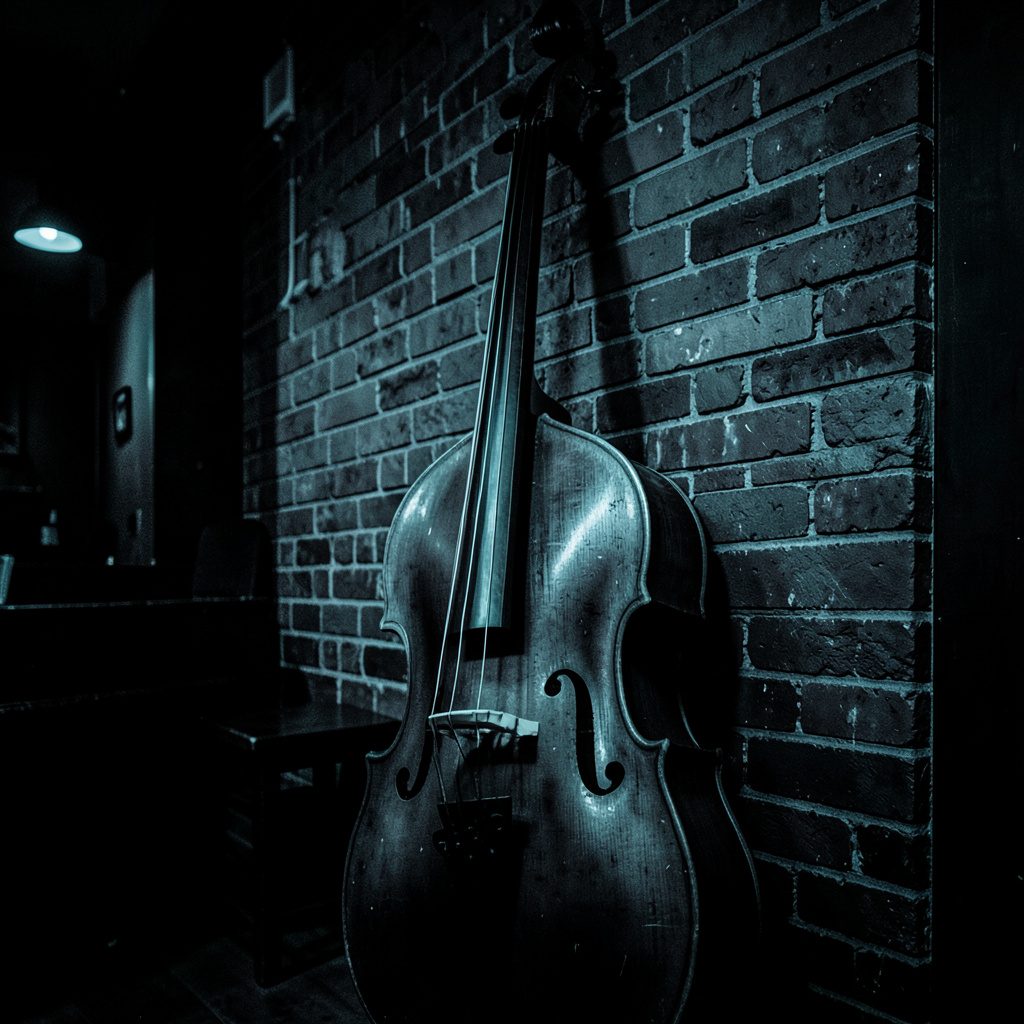
About Jazz Ramble
Jazz Ramble is a community-driven blog covering Australian jazz news, gig listings, and education resources. With a focus on the Melbourne and Victoria scene, the site brings together gig guides, club directories, festival coverage, and workshop information for jazz enthusiasts and musicians alike.
From the Melbourne International Jazz Festival to local club nights in Geelong, Ballarat, and beyond, Jazz Ramble has been a home for Australian jazz conversation — featuring contributions from across the jazz community.
Read MoreThe jazz club that met above a fish and chip shop in Hobart
On a wet Hobart night, the first guitar chord might arrive before the fish-and-chip shop had finished serving dinner. Up a narrow staircase, musicians tuned, listeners squeezed around small tables, and a room scented with hot oil and vinegar became one of Tasmania’s liveliest late-night music addresses.
The attraction was never the room itself. It was the prospect of hearing trad jazz, bebop or a raw jam session inches away from Hobart’s dinner-hour rush. For musicians, the club offered work and a dependable audience; for listeners, it supplied the rare late-night intimacy unavailable in a large hall.
Local recollection tends to preserve the upstairs room more vividly than a formal founding date. Names, musicians and occasional details shift between versions, yet one image remains constant: the glowing doorway at the top of the stairs after midnight, with the shop’s shutters already closed below.
That modest setting is precisely what gives the club its place in Australian cultural history. It links the everyday trade of a neighbourhood fish-and-chip shop with the national growth of live jazz, showing how a community could create its own music rather than wait for the scene to arrive from Sydney or Melbourne.
A room built for late music
The room itself was spare: a piano, an upright bass, a modest drum kit and enough chair space for a horn section. A counter served drinks, while the front window, if not blocked by a crowd, caught the last light off the street. Musicians’ stands, cables and coffee cups shared every available surface.
Names for the club varied in family memory, but everyone understood the arrangement. Downstairs meant takeaway, early tea and the smell of batter frying; upstairs meant concentration, then release. That contrast sharpened the atmosphere. A quiet ballad could be followed by a hard-swinging ensemble, with applause returning the room to ordinary Hobart before the next set.
Musicians from the island and beyond
Tasmania has always punched above its weight in jazz, and the club sat at the centre of that possibility. Pianist Tony Popy, closely associated with the Jazz Coots and the island’s postwar jazz scene, embodied the piano-led traditions heard in the room. Drummer Don Weller and saxophonist Bob Young belonged to later generations who carried Tasmanian playing into Sydney, Melbourne and overseas.
The repertory could change from night to night. A standard such as Mood Indigo might draw a reflective trio, while an instrumental by a visiting Sydney player could expose unfamiliar modern ideas to local ears. Musicians from interstate towns occasionally stopped in Hobart, and the room gave them a ready test: no big stage, no carefully programmed set, just attentive listeners close enough to hear mistakes and encouragement.
The shop downstairs and the stage upstairs
Fish and chip shops have long been social institutions across Australia, but here the connection was literal as well as cultural. The proprietors had a room that needed occasional use; the musicians had somewhere to gather, rehearse and perform. Hot chips wrapped in paper, a terse order at the counter and the familiar call of “chips” downstairs became part of the club’s nightly rhythm.
Those details survive in oral histories, newspaper listings, photographs and concert programmes, with useful material gathered in Mon Beaulieu’s jazz archive. Taken together, they preserve a club less as a famous branded venue than as a network of players, habitués and local families. That is how a neighbourhood institution becomes part of the record.
A Hobart kind of nightlife
Hobart has always been a city of short journeys and dramatic weather. Musicians could carry an instrument from a room near Davey Street to a late bus, with the dark bulk of Mount Wellington behind the city and the working waters of the Derwent nearby. Nearby Salamanca and Constitution Dock gave the night an audience of port workers, students, cooks, drivers and people who simply knew the upstairs room was open.
The daytime Salamanca Saturday market and the evening club occupied different but adjacent versions of the same local economy. Farmers, fishers and small traders brought produce into town; after the stalls packed away, their customers and workers looked for somewhere informal to sit. The fish-and-chip shop made jazz feel attainable. Nobody needed a special outfit, a reserved table or the nerve to enter alone.
From the upstairs room to the archive
Not every performance left a recording, and the hiss of portable tape machines often blurred the audience into the music. Even so, sound-preservation copies and musicians’ recollections have allowed tunes, arrangements and club mannerisms to re-emerge. The bass could be heard first in the balance, a drummer might stretch a break, and a pianist could turn a familiar theme into a long, serious conversation.
Recordings also carried the room beyond Hobart. Australian jazz was shaped by overlapping local scenes rather than a single metropolitan centre, and musicians who played the upstairs venue returned to interstate bands, community concerts and festival programmes with stories to tell. In that sense, the club was a small interchange: provincial in scale, but connected to the national jazz network.
A small venue with lasting consequences
The upstairs club’s greatest achievement was not the polish of its sound. It made live jazz part of ordinary life and gave players a place where risk was welcome. Its history also shows how Australia’s best music scenes often grow from practical arrangements—a spare room, a sensible business partnership and neighbours who keep turning up—rather than from formal cultural policy.
Today, the lesson remains useful for Hobart’s crowded live-music calendar and for smaller Australian communities pursuing a serious jazz identity. The right setting can still transform a performance, while the people who keep the door open matter as much as the people on the bandstand. What began above takeaway food has become a durable reminder that cultural memory can live in the places and stories people actually used.
Keep the story moving by sharing club photographs, programmes and memories with Jazz Ramble, and find a live setting through jazz festival listings. Put the history into circulation, then make a night of it.
Victorian Jazz Clubs
A directory of jazz clubs across Victoria
Jazz Albury Wodonga
156 Lawrence Street, Wodonga VIC 3690
Musical Director: Graeme Cook — 0438 623 462
Venue: The Jazz Basement, Shop 5, 48–52 Lincoln Causeway, Wodonga. Music from 8pm. Bar open 7.30pm. $20, Concession $15.
Ballarat Jazz Club
President & Bookings: Mollie — contact via the club.
Echuca-Moama Jazz Club
Contact: Harry Daniels — harrydaniels@jazzramble.com
Geelong Jazz Club
Contact: Sandy Leaman
Venue: Vines Road Community Centre, 41 Vines Road, Hamlyn Heights.
Phillip Island Jazz Club
Home of the Phillip Island Jazz Festival.
Get In Touch
We'd love to hear from the Australian jazz community.