Jazz Ramble
Australian jazz, and other ramblings
About Jazz Ramble
Jazz Ramble is a community-driven blog covering Australian jazz news, gig listings, and education resources. With a focus on the Melbourne and Victoria scene, the site brings together gig guides, club directories, festival coverage, and workshop information for jazz enthusiasts and musicians alike.
From the Melbourne International Jazz Festival to local club nights in Geelong, Ballarat, and beyond, Jazz Ramble has been a home for Australian jazz conversation — featuring contributions from across the jazz community.
Read MoreHow Melbourne's Jazz Co-Op Reshaped the Local Jazz Scene
For more than two decades, a modest cooperative in Melbourne's inner north gave Australian jazz some of its most cherished moments. The Jazz Co-Op began as a loose collective of musicians tired of chasing paid gigs and instead wanted somewhere to play, listen, and grow together. That simple idea, hatched in a back room off Lygon Street during the late 1970s, rippled through generations of players and listeners who still talk about those smoky Sunday afternoons as the high-water mark of grassroots jazz in this country.
What set the cooperative apart from your standard pub band setup was its refusal to bow to commercial pressures. Sessions were run by the players, for the players, with the door takings split fairly and a standing rule that anyone with chops and a willingness to have a go could sit in. The result was a fiercely democratic space where trad, bebop, and free improvisation all sat comfortably side by side, a quality that mirrored Melbourne's broader reputation as the country's most musically curious city.
A Modest Beginning on Lygon Street
The cooperative grew out of regular jam nights at a Carlton cafe that attracted a faithful crowd of students, retirees, and shift workers. A handful of veterans who had cut their teeth on the swing circuits of the postwar years helped the younger players find their feet, and before long a formal structure emerged. Members paid a small weekly fee, chipped in for tea and bickies, and took turns running the door. The founders deliberately kept the operation tiny. There was no slick marketing, no glossy posters, just a chalkboard on Brunswick Street advertising the next session. Word of mouth did the heavy lifting, which in Melbourne's tight-knit jazz community meant a phone tree of musos, jazz society secretaries, and devoted fans who wouldn't miss a Wednesday night for quids.
Many of those early members had first been drawn to the music by ragtime's Australian influence, and they brought that historic curiosity to every new session they organised.
Inside the Room
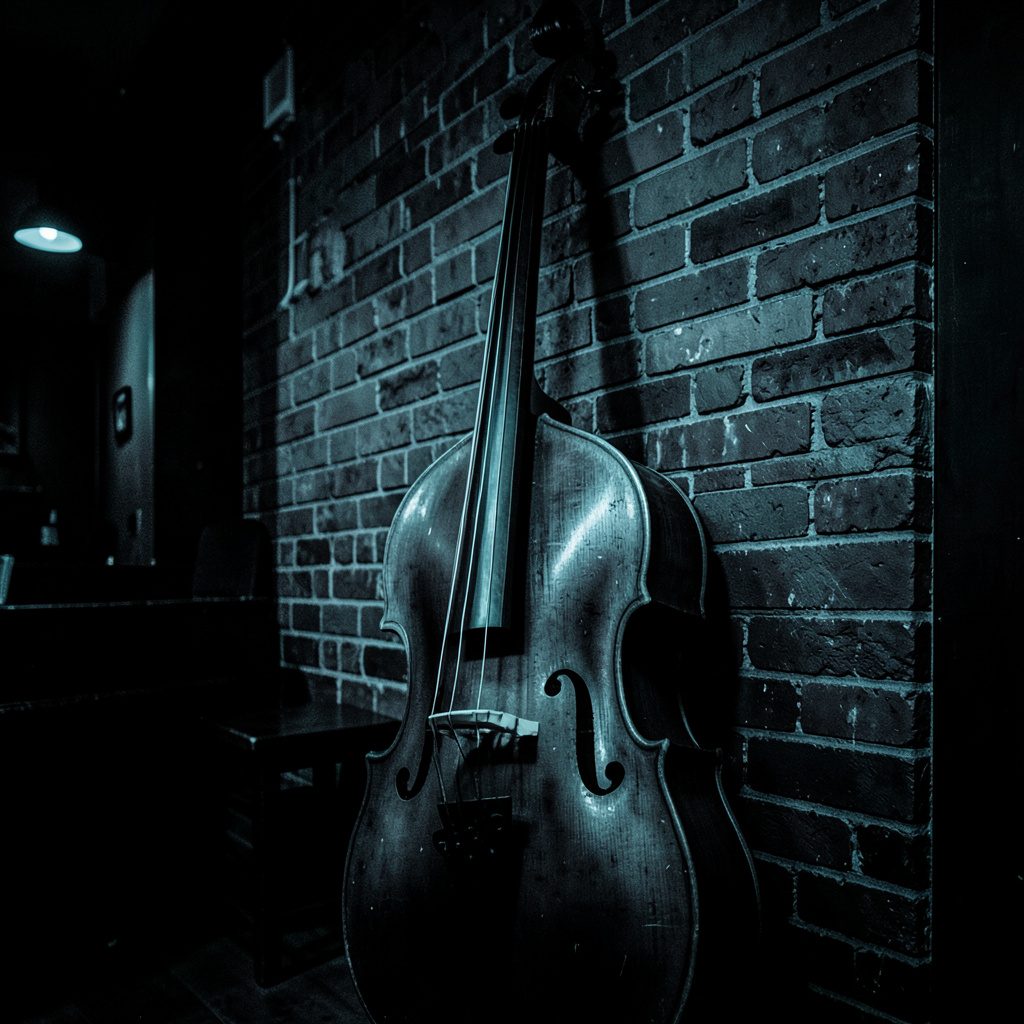
The Co-Op's spiritual home, a converted warehouse space with dodgy heating and even dodgier acoustics, became a second living room for many of its regulars. Musicians propped their horns against exposed brick, listeners nursed middies of beer, and the only rule was to keep the music flowing. Melbourne's notoriously fickle weather never dimmed the spirits inside; the room stayed warm through cold snaps and cool during the long humid arvos of February.
Out-of-towners were always made welcome. Visitors from Sydney, Adelaide, and even Perth would show up with battered instrument cases, and locals would sort them out with a place to crash, a counter meal at the pub, and a guaranteed spot on the bandstand. The Co-Op embodied a generous, no-airs kind of hospitality that you still find at the best Australian jazz festivals today, where the dressing rooms are shared, the meals are simple, and the conversation runs late into the night.
The Players Who Made It Sing
A roll call of the Co-Op's regulars reads like a who's who of Australian jazz across two generations. Veterans who had played the swing circuits in the 1950s sat beside twenty-somethings discovering Coltrane for the first time. Younger players learned the value of a good chord change, an honest tone, and the quiet confidence that comes from holding your own in a real working band.
Among the most beloved figures was pianist Margaret Wrightson, a no-nonsense woman from Footscray who ran the door for almost fifteen years and could silence a rowdy room with one raised eyebrow. Trombonist Des O'Hara, who had played in army bands and on cruise ships up and down the east coast, was a fixture at the Sunday afternoon sessions and mentored dozens of younger players who went on to careers in their own right. The cooperative gave them a stage that paid respect to their experience, their craft, and their willingness to pass the music on to whoever walked through the door.
A Lasting Mark on Melbourne's Music Culture
The Co-Op's influence stretched well beyond its own four walls. It helped seed new venues across Brunswick, Fitzroy, and Collingwood, and it inspired a wave of smaller collectives modelled on the same principles. Today, organisations like Tape Parade carry that cooperative spirit into the digital age, sharing rare recordings, gig notices, and histories with a wider audience of Australian jazz fans.
The cooperative also left an imprint on the way Australian jazz is taught. Several of its alumni went on to lecture at the Victorian College of the Arts and the Sir Zelman Cowen School of Music, passing down the lessons they had absorbed in that converted warehouse. The emphasis on listening, on giving space to the soloist, on playing for the music rather than the money, became a quiet teaching tradition that shaped a generation of Australian players and continues to inform how jazz is taught in this country.
Keeping the Spirit Alive
You can still feel the Co-Op's presence on any given night in Melbourne. The Sunday afternoon jam at a CBD bar, the trad session in a Fitzroy pub, the free improvisation gig in a Footscray gallery, all owe a debt to that modest Carlton experiment. Younger players, many of whom weren't even born when the cooperative closed its doors, talk about the Co-Op with the same reverence that earlier generations reserved for the legendary clubs of New York and New Orleans.
The cooperative's spirit lives on through the many young players who credit those smoky Sunday afternoons with shaping their musical lives, and through the recordings and stories that still circulate among Australia's jazz community. Pour yourself a flat white, drop the needle on a vintage LP, and let the music carry you back to those heady nights in Carlton. The doors may be shut, but the legacy keeps playing on.
Victorian Jazz Clubs
A directory of jazz clubs across Victoria
Jazz Albury Wodonga
156 Lawrence Street, Wodonga VIC 3690
Musical Director: Graeme Cook — 0438 623 462
Venue: The Jazz Basement, Shop 5, 48–52 Lincoln Causeway, Wodonga. Music from 8pm. Bar open 7.30pm. $20, Concession $15.
Ballarat Jazz Club
President & Bookings: Mollie — contact via the club.
Echuca-Moama Jazz Club
Contact: Harry Daniels — harrydaniels@jazzramble.com
Geelong Jazz Club
Contact: Sandy Leaman
Venue: Vines Road Community Centre, 41 Vines Road, Hamlyn Heights.
Phillip Island Jazz Club
Home of the Phillip Island Jazz Festival.
Get In Touch
We'd love to hear from the Australian jazz community.