Jazz Ramble
Australian jazz, and other ramblings
About Jazz Ramble
Jazz Ramble is a community-driven blog covering Australian jazz news, gig listings, and education resources. With a focus on the Melbourne and Victoria scene, the site brings together gig guides, club directories, festival coverage, and workshop information for jazz enthusiasts and musicians alike.
From the Melbourne International Jazz Festival to local club nights in Geelong, Ballarat, and beyond, Jazz Ramble has been a home for Australian jazz conversation — featuring contributions from across the jazz community.
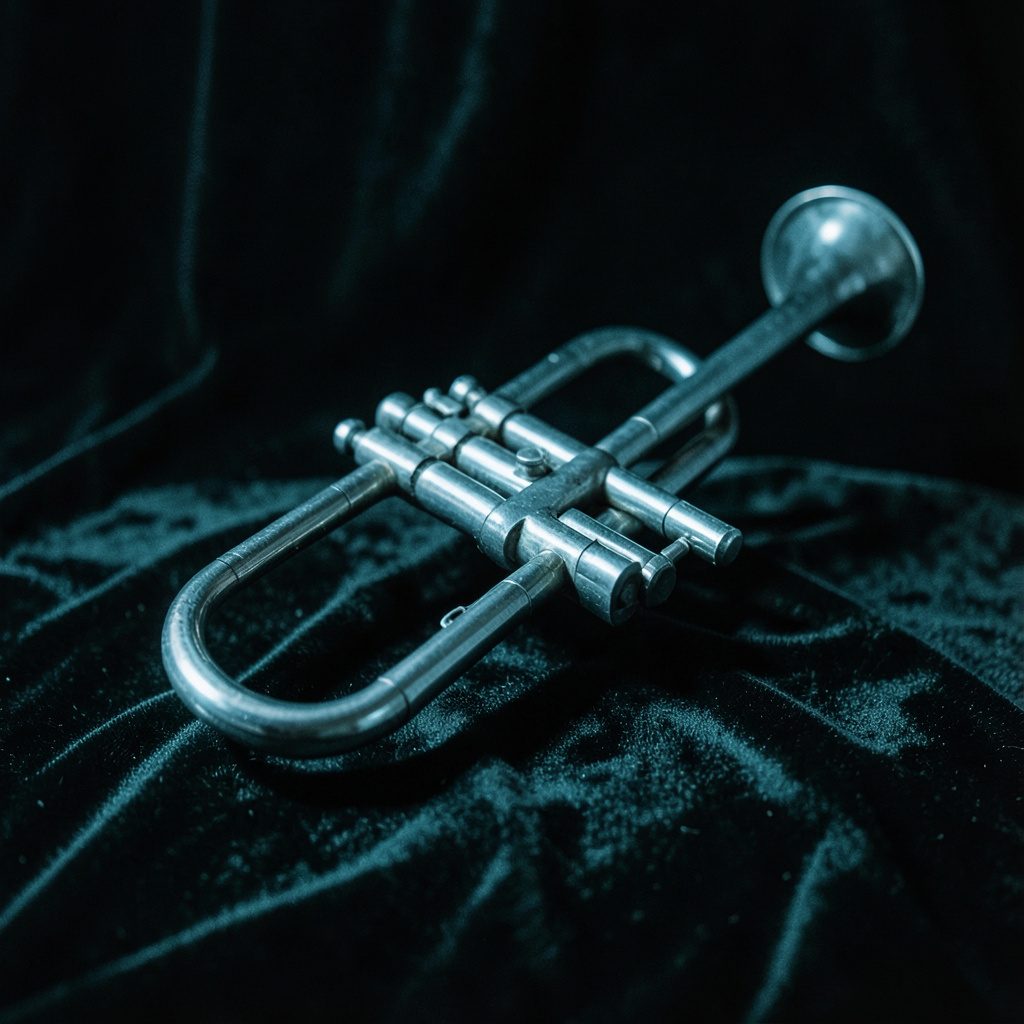
Read MoreTracing Australia's jazz trumpet sound across the decades
For more than a century, a distinctly local voice on the trumpet has risen from Australian dance halls, suburban jazz clubs, and community radio studios. From smoky venues along Melbourne's Chapel Street to the harbour-side stages of Sydney, the brass tone that local audiences hear carries the imprint of home-grown players, visiting American masters, and the particular acoustics of regional halls. The story of how that sound evolved is as much about pubs, Sunday arvo sessions, and grassroots radio as it is about conservatorium graduates.
Trumpeters working across Adelaide, Perth, Brisbane, Hobart, and the eastern capitals have long traded ideas through festival back-lines, regional tours, and informal jam sessions. What emerged is shaped by local realities, including broadcast quotas set by the Australian Communications and Media Authority, licensing arrangements administered by APRA AMCOS, and the rhythms of a country where a gig often means a long drive between towns.
Early roots and pioneering voices
In the 1920s and 1930s, jazz in Australia was largely heard through touring American and British acts playing the larger hotels and town halls of the eastern seaboard. Ade Monsbourgh, a multi-instrumentalist and bandleader, became a foundational figure of the local scene, helping establish a repertoire that mixed imported standards with original material. Trade embargoes and wartime travel restrictions kept visiting players scarce, and Australian musicians filled the gap.
By the late 1940s and into the 1950s, suburban dance halls were swinging. Don Burrows, playing trumpet as well as his more famous clarinet and saxophone work, helped bridge the older dance style and the bebop language reaching local players through imported 78s. The trumpet tone of this era tended toward a brighter, declarative sound, adapted to the acoustics of timber-floored halls where audiences expected projection.
The club era and the bebop shift
The opening of small, dedicated jazz venues in the 1960s and 1970s transformed the local scene. The Basement in Sydney and The El Rocco in Melbourne became laboratories for players absorbing the harmonic language of bebop and hard bop. With smaller audiences and more intimate rooms, the trumpet sound softened and darkened. Bob Barnard, with his warm, blues-inflected tone, became central, blending the swing vocabulary of earlier decades with modern adventurousness.
Community radio played a surprising role during this transition. Stations such as 3MBS in Melbourne and 2SER in Sydney devoted significant weekly schedules to local jazz, exposing listeners to recordings by Australian trumpeters that might otherwise have circulated only within the tight scene. Those interested in how this tradition is kept alive can read about Sydney's Sunday Sessions.
Education, experimentation, and the conservatoire years
From the 1980s onward, Australia's conservatoriums produced a steady stream of technically fluent graduates. The Victorian College of the Arts, the Sydney Conservatorium, and later programs at the Queensland Conservatorium and the Western Australian Academy of Performing Arts created pathways combining improvisation with classical training. This formal education gave local trumpeters wider command of the instrument, enabling movement between big-band writing, small-group post-bop, and fusion.
These players experimented with mutes, electronics, and extended techniques, often drawing on ideas circulating in the global improvised music scene while keeping their feet firmly in Australian contexts. Payment structures negotiated through APRA AMCOS meant original compositions generated modest royalties when broadcast on community radio or played in clubs.
Festivals, regional scenes, and the touring circuit
Dedicated jazz festivals helped knit together regional scenes. The Wangaratta Jazz and Blues Festival in regional Victoria became a focal point, drawing players from Melbourne, Sydney, and beyond for marathon weekend sessions. The Melbourne and Sydney international jazz festivals brought overseas headliners to local stages, and Australian trumpeters often shared the bill.
Smaller festivals in regional centres—Cessnock in the Hunter Valley, Jazz in the Vines in the Barossa Valley, and Brisbane Powerhouse jazz programming—kept the touring circuit active. A typical week for a trumpet player might involve a Thursday in Adelaide, a Saturday matinee in Perth, and a Sunday afternoon back in Melbourne or Sydney. This touring life shaped the kind of reliable, unfussy tone audiences came to expect: bright enough to cut through a noisy pub, warm enough for a quiet listening room.
Contemporary voices and the continuing conversation
Today's players span a wide stylistic range. James Muller, whose lyrical post-bop lines have made him one of the most respected voices of his generation, and other graduates of the elder statesmen's bands continue to expand the local vocabulary. The contemporary Australian trumpet tends to sit comfortably between the warmer, vocalised tone of the older tradition and the brighter, articulate approach favoured in modern jazz education.
Community radio remains central. ABC Jazz and community stations across the country continue to broadcast local recordings, and independent podcasts based in Brisbane, Melbourne, and Sydney feature interviews with working players. International influences still arrive, and cross-pollination continues. Local players sometimes describe their ideal sound in vivid, surprising ways—one trumpeter recently compared a perfect sustained note to the velvety texture of a Slovenian cream ragout, capturing the search for a sound that is at once rich and quiet.
Practical ways to engage with the Australian jazz trumpet tradition
- Visit a Sunday session at a local venue—the Sydney Jazz Club's weekly gatherings remain one of the most accessible entry points.
- Subscribe to ABC Jazz and a community station such as 3MBS, 2SER, or 4ZZZ to hear local trumpeters regularly in rotation.
- Seek out recordings by Bob Barnard and his contemporaries, whose warm, blues-rooted tone defined the mid-century sound.
- Plan a trip around a regional festival such as Wangaratta, where local players headline.
- Attend a public recital at a music school such as the Sydney Conservatorium or VCA to hear student and faculty trumpet work.
- Browse Australian independent labels such as Newmarket Music for reissues of historic local sessions.
- Drop into a band room in Brunswick, Newtown, or Fortitude Valley on a Thursday night—the local jam is often where the next evolution is being rehearsed.
The Australian trumpet sound keeps changing. Each generation of players, shaped by local clubs, regional touring circuits, and the rhythms of community broadcasting, adds another layer to a tradition that remains proudly local. Subscribe to the blog, follow the Sunday session notices, and keep listening—the country's jazz trumpet voice is still being written. Those wanting to learn more about the writers behind these notes can visit the About page.
Victorian Jazz Clubs
A directory of jazz clubs across Victoria
Jazz Albury Wodonga
156 Lawrence Street, Wodonga VIC 3690
Musical Director: Graeme Cook — 0438 623 462
Venue: The Jazz Basement, Shop 5, 48–52 Lincoln Causeway, Wodonga. Music from 8pm. Bar open 7.30pm. $20, Concession $15.
Ballarat Jazz Club
President & Bookings: Mollie — contact via the club.
Echuca-Moama Jazz Club
Contact: Harry Daniels — harrydaniels@jazzramble.com
Geelong Jazz Club
Contact: Sandy Leaman
Venue: Vines Road Community Centre, 41 Vines Road, Hamlyn Heights.
Phillip Island Jazz Club
Home of the Phillip Island Jazz Festival.
Get In Touch
We'd love to hear from the Australian jazz community.