Jazz Ramble
Australian jazz, and other ramblings
About Jazz Ramble
Jazz Ramble is a community-driven blog covering Australian jazz news, gig listings, and education resources. With a focus on the Melbourne and Victoria scene, the site brings together gig guides, club directories, festival coverage, and workshop information for jazz enthusiasts and musicians alike.
From the Melbourne International Jazz Festival to local club nights in Geelong, Ballarat, and beyond, Jazz Ramble has been a home for Australian jazz conversation — featuring contributions from across the jazz community.
Read MorePeter Williams and the quiet architecture of Australian jazz
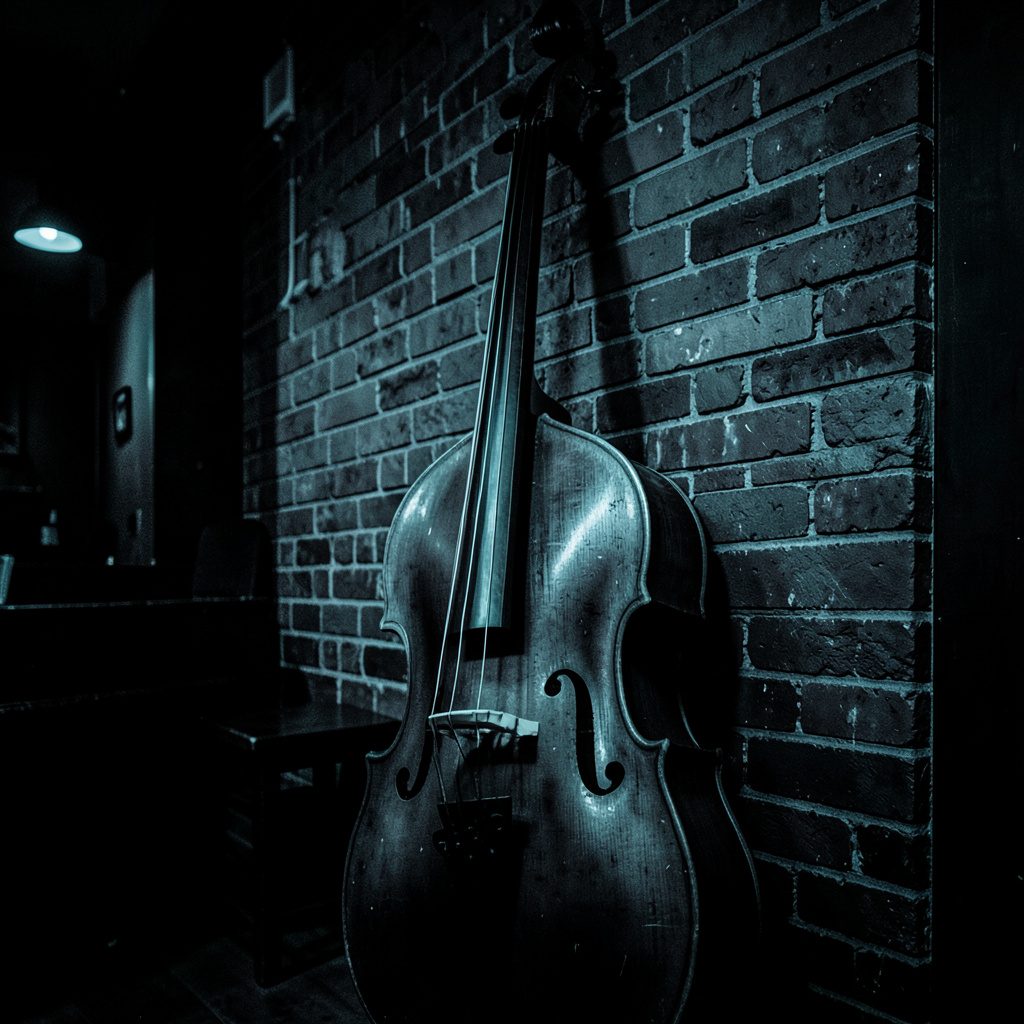
Bassist and composer Peter Williams (1932–2024) has died, leaving a sizeable gap in the story of Australian jazz. Across clubs, concert halls and recording sessions, the double bassist was the kind of musician whose work made other musicians sound grounded, confident and able to take risks.
His place in the Australian Jazz Quartet, with Don Burrows and Alan Jackson among his colleagues, belongs to the period when local bands developed their own voice and looked outward without simply copying the American jazz circuit. Williams moved between ensemble discipline and the freedom of the sideman, bringing a broad, unhurried acoustic bass to bebop, modern jazz and original Australian material.
His death also brings into focus the composer: the writer who could hear a tune as architecture, balancing melody, space and collective pulse. Remembering Williams means listening beyond the obituary notice—to the records, the working bands and the Australian institutions that kept this music in public life.
A lifetime in the rhythm section
Williams's association with the Australian Jazz Quartet placed him at the centre of one of the country's most durable small-group formats. The combination of reeds, piano, drums and upright bass demanded close listening from every player, and Williams's economy of notes suited that exchange. He could lock with a drummer, leave air under a saxophone solo or supply the walking pulse that moved a blues or a standard.
That role continued in clubs, where a bassist often became the night's continuity. The experience of reading charts, backing vocalists, accompanying visiting players and responding in the moment taught musicians to make decisions without drawing attention to themselves. For a fuller view of Jazz Ramble's interest in that culture, the about Jazz Ramble page sets out the site's focus on musicians, venues and the surviving paper trail.
The composer's quiet authorship
Williams composed from the same attentive perspective. Whether sketching a theme or shaping an arrangement, his writing could let instruments converse rather than queue for the spotlight. In a small-combo setting, a composed line can sound spontaneous when players interpret it as a route rather than a set of instructions; that was the useful paradox at the heart of his work.
His legacy is therefore audible in texture as much as melody: firm time, clear placement of the beat and room for another musician to answer. The Ninjamanz archive is a valuable secondary trail through the period, helping connect names, recordings and club activity that formal catalogues often separate. For jazz listeners, following those cross-references is part of recovering the social history stored in the music.
Clubs, cities and the Australian jazz circuit
Williams's career unfolded in an Australian circuit where geography can make a national scene feel both broad and intimate. Sydney's Basement and the EXIT, Melbourne's Bennetts Lane Jazz Club, Canberra's community-minded jazz events and Brisbane's JazzUp Festival each offered different audiences and working conditions. A player moving among them encountered the closeness of the local club, the discipline of the concert platform and the national networks built through societies, festivals and radio.
The market for this music has always depended on people paying for the room, the pressing and the broadcast. Australian releases often travel through specialist labels, jazz societies, Bandcamp, digital services and a committed vinyl and CD audience, while community and public radio preserve performances that might otherwise disappear. A useful example of a living scene rather than a preserved one appears in the Canberra album review, where a modern ensemble works inside familiar jazz forms and finds a contemporary voice.
The recordings as a living archive
The best memorial to Williams is the catalogue: recordings in which his bass can be followed beneath the surface, carrying the ensemble from one idea to the next. The Australian Jazz Quartet's records offer the clearest place to hear his balance of drive and restraint. They also document an era in which Australian musicians held their own against international modernism without surrendering the directness of the bandstand.
Because jazz history survives unevenly, listeners should treat discographies as maps rather than complete territories. Credits may change between a studio take and a club broadcast; a pianist's recollection can preserve an absent recording; a festival programme can supply the missing date. Reading sleeves, archive listings and concert reviews together creates a more reliable account—and a fuller sense of the people who made the scene.
Listening, remembering and keeping the music alive
Williams's memory will be kept alive by listeners who keep choosing the records, supporting the venues and passing useful references to one another. A practical tribute can be both personal and collective.
- Begin with an Australian Jazz Quartet recording and follow Williams's bass line through the ensemble.
- Listen for his time feel, particularly where the band shifts from a written arrangement into freer improvisation.
- Check ABC Jazz, community radio archives and jazz-society listings for performances, interviews and session details.
- Look for the Australian Jazz Quartet in specialist record shops, library collections and Bandcamp catalogues.
- Attend a club or festival in Sydney, Melbourne, Canberra or Brisbane and take a musician's name home.
- Credit the sidemen: share recordings with complete personnel notes so younger listeners can trace the lineage.
Choose one Williams recording this week, listen with the credits open, and tell another jazz listener what you hear. That small act of circulation keeps an Australian musician's work audible, discoverable and part of the country's continuing jazz conversation.
Victorian Jazz Clubs
A directory of jazz clubs across Victoria
Jazz Albury Wodonga
156 Lawrence Street, Wodonga VIC 3690
Musical Director: Graeme Cook — 0438 623 462
Venue: The Jazz Basement, Shop 5, 48–52 Lincoln Causeway, Wodonga. Music from 8pm. Bar open 7.30pm. $20, Concession $15.
Ballarat Jazz Club
President & Bookings: Mollie — contact via the club.
Echuca-Moama Jazz Club
Contact: Harry Daniels — harrydaniels@jazzramble.com
Geelong Jazz Club
Contact: Sandy Leaman
Venue: Vines Road Community Centre, 41 Vines Road, Hamlyn Heights.
Phillip Island Jazz Club
Home of the Phillip Island Jazz Festival.
Get In Touch
We'd love to hear from the Australian jazz community.