
Jazz Ramble
Australian jazz, and other ramblings
About Jazz Ramble
Jazz Ramble is a community-driven blog covering Australian jazz news, gig listings, and education resources. With a focus on the Melbourne and Victoria scene, the site brings together gig guides, club directories, festival coverage, and workshop information for jazz enthusiasts and musicians alike.
From the Melbourne International Jazz Festival to local club nights in Geelong, Ballarat, and beyond, Jazz Ramble has been a home for Australian jazz conversation — featuring contributions from across the jazz community.
Read MoreObituary: Bassist and Bandleader Jack Varney (1940–2023)
Jack Varney belonged to the generation of Australian musicians who treated jazz as a living social language. As a bassist, bandleader and committed participant in traditional jazz, he helped keep the music connected to dancers, pub audiences, concertgoers and fellow players.
His death in 2023 marked the passing of a familiar figure from the Australian jazz community. Varney’s work was measured less by celebrity than by continuity: turning up, leading a band, supporting other musicians and giving audiences a reason to gather around live music.
That role matters in Australia, where jazz history has often been carried by small ensembles and determined individuals rather than large institutions. A bassist who can anchor a rhythm section and guide a band contributes to every part of the performance, from the first count-in to the final encore.
This obituary remembers Jack Varney as a musician whose value was found in service to the music. His legacy belongs to the clubs, festivals, radio programs, jam sessions and informal conversations that sustain traditional jazz across the country.
The quiet authority of the double bass
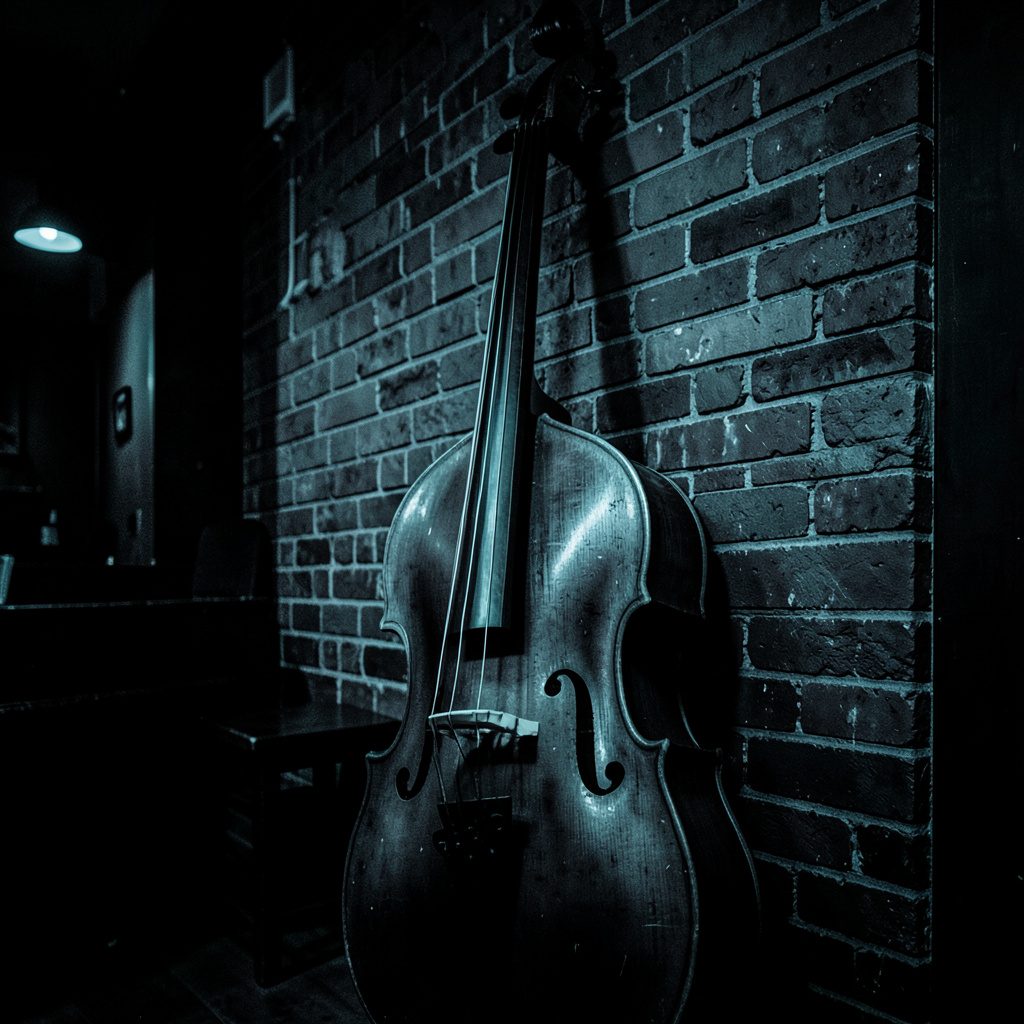
The double bass rarely stands at the front of the stage, yet it gives traditional jazz much of its shape. It marks the pulse, supports the harmony and creates the space in which clarinet, trumpet, trombone and piano can speak. Varney’s identity as a bassist placed him at the centre of that conversation.
A strong bass player must listen constantly. The work involves more than keeping time; it requires sensitivity to changes in tempo, dynamics and phrasing. In a dance-oriented or trad jazz setting, the bassist helps determine whether a performance feels relaxed, buoyant or urgent. That authority is often quiet, but musicians notice it immediately.
A bandleader who valued connection
Varney’s contribution extended beyond the bass chair. As a bandleader, he represented the practical and generous side of Australian jazz: organising musicians, shaping a repertoire and creating a setting where the band could communicate with its audience.
Traditional jazz depends on trust. Players need to know when to leave room, when to step forward and how to respond when a tune takes an unexpected turn. A bandleader creates the conditions for that trust, while also reading the room. Varney’s leadership can be understood through that balance between musical direction and community spirit.
Jazz as a local gathering
Australian jazz has always thrived through regular gatherings. In Sydney, a weekend performance can bring together musicians, dancers, retirees, students and listeners who have followed the scene for decades. The annual tradition described in Centennial Park’s jazz story reflects this broader culture of outdoor listening and shared participation.
These occasions give the music a social life beyond the concert hall. Audiences may arrive with folding chairs, coffee in hand or a picnic packed for the afternoon, then stay because the music makes conversation and companionship easy. Musicians such as Varney understood that jazz survives when people feel they belong to its setting.
The economics of keeping bands alive
Leading a jazz band in Australia has rarely been a simple commercial proposition. Travel between Melbourne, Sydney, Brisbane and regional centres can be expensive, while rehearsal time, instrument maintenance and venue costs place pressure on musicians. The local market is sustained by loyal audiences, modest ticket prices and the willingness of performers to work within tight budgets.
Small venues also operate under practical constraints. Liquor licensing rules, council conditions and noise regulations shape when and where bands can play. A bandleader must therefore be part musician, part organiser and part advocate for live performance. Varney’s generation carried much of that responsibility before digital promotion and online ticketing became standard.
The importance of independent spaces remains visible in contemporary programming. Venues such as Monkeytown Live show how specialised rooms and community-minded presenters can give jazz musicians a place to work, experiment and meet new listeners.
A place in the traditional jazz story
The phrase “traditional jazz” covers a wide and welcoming territory, from New Orleans revival and swing to mainstream repertory shaped by local Australian players. Its strength lies in interpretation. Familiar tunes continue to live because each band brings a different combination of phrasing, tempo, humour and instrumental colour.
Varney’s career belongs to that tradition of renewal. A bandleader does not merely reproduce an old style; he helps decide which parts of the repertoire remain meaningful and how they should sound for a present-day audience. That work keeps historical jazz from becoming a museum display.
His contribution also sits within a wider network of Australian musicians whose names may be best remembered by the people who shared stages, rehearsals and late-night conversations with them. Obituaries are important because they preserve those connections before they disappear from collective memory.
Remembering the musician and the community
A musician’s influence cannot always be measured through recordings or press coverage. It may be found in the confidence of a younger player, the loyalty of a long-standing audience member or the decision of a venue to keep presenting live jazz. Varney’s legacy belongs to these everyday acts of participation.
His passing in 2023 invites listeners to revisit the value of continuity. Australian jazz needs performers who respect its history while keeping it active in the present, whether in a Sydney club, a Melbourne pub, a festival program or a community hall outside the capitals.
For readers wishing to follow the music he helped sustain, the coming gigs calendar offers a practical way to support the living scene. Buying a ticket, arriving on time and listening closely are small acts, but they help keep bands, venues and local jazz networks working.
Jack Varney’s name now joins the continuing record of Australian jazz musicians who built culture through persistence. His story is one of musicianship, leadership and community, held in the steady pulse of the bass and in the people who continue to gather when a jazz band begins to play.
Support the musicians who carry that spirit forward by attending a local performance, exploring Australian jazz archives and sharing memories of the players who shaped the scene. Live music remains the most fitting tribute: present, communal and always ready to begin again.
Victorian Jazz Clubs
A directory of jazz clubs across Victoria
Jazz Albury Wodonga
156 Lawrence Street, Wodonga VIC 3690
Musical Director: Graeme Cook — 0438 623 462
Venue: The Jazz Basement, Shop 5, 48–52 Lincoln Causeway, Wodonga. Music from 8pm. Bar open 7.30pm. $20, Concession $15.
Ballarat Jazz Club
President & Bookings: Mollie — contact via the club.
Echuca-Moama Jazz Club
Contact: Harry Daniels — harrydaniels@jazzramble.com
Geelong Jazz Club
Contact: Sandy Leaman
Venue: Vines Road Community Centre, 41 Vines Road, Hamlyn Heights.
Phillip Island Jazz Club
Home of the Phillip Island Jazz Festival.
Get In Touch
We'd love to hear from the Australian jazz community.