
Jazz Ramble
Australian jazz, and other ramblings
About Jazz Ramble
Jazz Ramble is a community-driven blog covering Australian jazz news, gig listings, and education resources. With a focus on the Melbourne and Victoria scene, the site brings together gig guides, club directories, festival coverage, and workshop information for jazz enthusiasts and musicians alike.
From the Melbourne International Jazz Festival to local club nights in Geelong, Ballarat, and beyond, Jazz Ramble has been a home for Australian jazz conversation — featuring contributions from across the jazz community.
Read MoreA day in the life of the Hobart jazz club
Before the first chord sounds, a Hobart jazz club is already awake. The room may look quiet in the morning, with chairs stacked and a small stage waiting beneath warm lights, but the day has begun with schedules, cables, coffee, and the careful work of making live music feel effortless.
Jazz in nipaluna/Hobart carries the character of the city around it. There is a strong local appetite for intimate performance, traditional swing, blues, bebop, and modern Australian jazz, with musicians moving between pubs, theatres, festivals, community halls, and dedicated club nights. A single evening can bring together regular listeners, visiting artists, students, and people who have wandered in from Salamanca or Battery Point.
The room before the music
The first arrivals are usually the people who know the venue best: the organiser, a sound technician, a volunteer at the door, or a musician with a key. They open windows when the weather allows, check the heating in winter, and inspect the stage for anything left behind after the previous event. Hobart evenings can turn sharply cold, so a welcoming room matters almost as much as a good rhythm section.
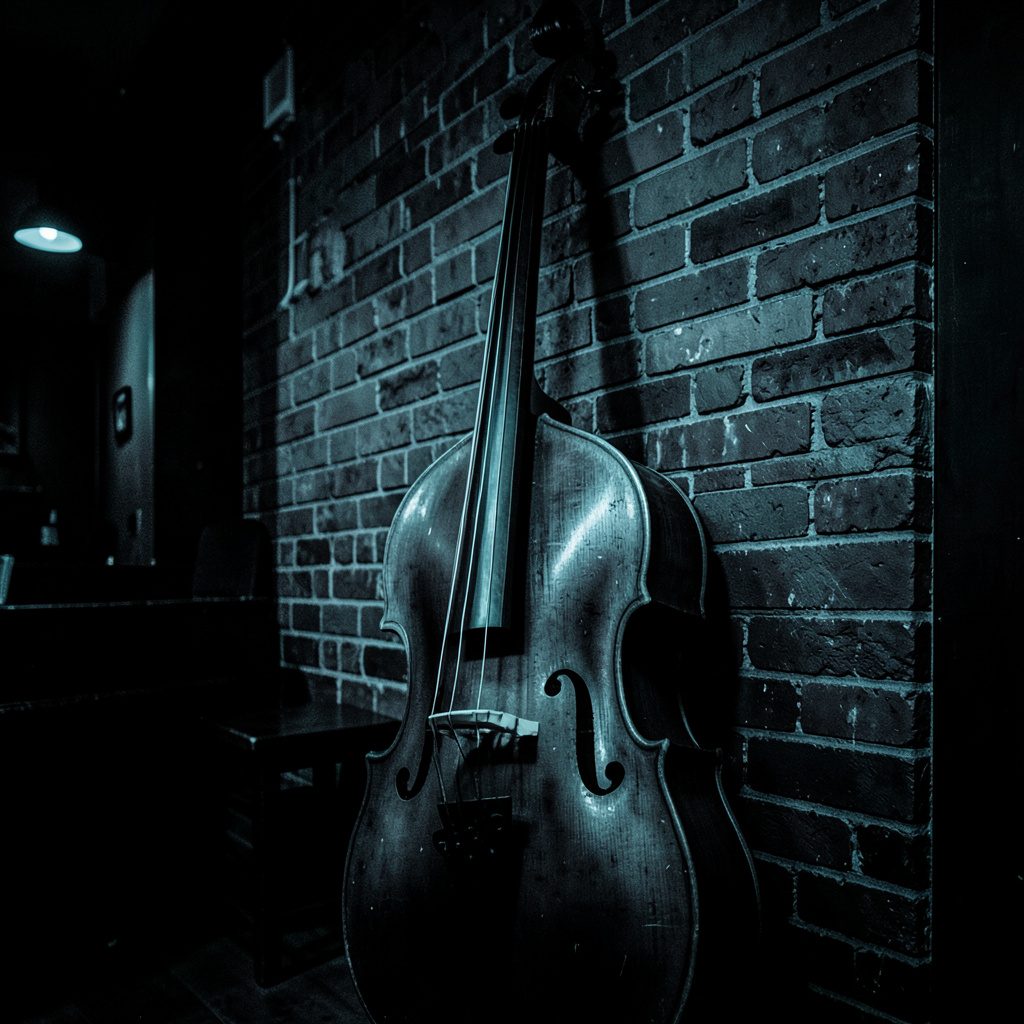
Tables are positioned to give sightlines without making the club feel formal. In a small venue, every chair affects the atmosphere. The piano needs enough space for a player to sit comfortably, while a double bass requires room to move safely through the crowded edge of the stage. A few handwritten signs, a box for memberships, and a familiar stack of programs complete the preparation.
Musicians tune into the city
By late afternoon, players begin arriving with instrument cases, charts, and stories from other parts of Tasmania. A guitarist might have driven up from the Huon Valley, while a saxophonist has crossed town from Moonah after teaching during the day. The local jazz circuit depends on these overlapping lives, and rehearsals often happen in borrowed rooms, living rooms, and community spaces rather than purpose-built studios.
The soundcheck is a practical conversation. The drummer asks for a little more vocal in the monitor, the pianist tests the room’s darker corners, and the bassist searches for a clear low end. Someone may need a replacement lead or a small accessory, and specialist guitar supplies can be useful when a touring instrument needs attention before the first set. Nothing is glamorous, but every adjustment protects the music.
The audience finds its seats
Doors open gradually rather than all at once. Regulars greet one another by name, newcomers study the program, and friends compare notes about recent gigs in Launceston, Melbourne, or Sydney. Hobart’s scale makes these encounters especially personal. A listener may see the same bassist at a club night, a farmers market, and a Sunday afternoon concert within the same month.
There is often a distinctly Australian informality to the evening. People queue for a drink, settle their bills at the bar, and make room for late arrivals without turning the process into ceremony. The club can feel like a neighbourhood gathering as much as a concert venue, with the audience close enough to notice a musician’s expression and the band able to respond to the room.
The first set opens the night
The opening tune establishes the club’s mood. It might be a classic from Duke Ellington, a New Orleans standard, or an original piece shaped by the Tasmanian landscape. The best performances leave space for conversation between the musicians: a bass phrase answered by the piano, a horn line extended by the drummer, and a familiar melody given a fresh pace.
Traditional jazz culture remains important in this setting because it values listening as much as display. The audience hears how a band works together, rather than simply waiting for individual solos. Younger performers can learn by sitting in, while experienced players pass on habits that cannot be picked up from a recording alone. Jazz Ramble’s education resources reflect that wider connection between performance, history, and practical learning.
Between sets, the club becomes a meeting place
The interval is rarely empty time. Musicians step outside for air, listeners discuss a tune they recognised, and the organiser checks the door list before the second half. Someone may mention an upcoming concert at the Theatre Royal, a workshop at the University of Tasmania, or a visiting band appearing during the next arts program.
This pause also shows how a small Australian music scene sustains itself. Ticket prices must remain realistic for local audiences, yet performers need fair payment and venues must cover staffing, hire, promotion, and equipment. A full room helps everyone. It supports the players directly and signals that live jazz deserves a regular place in Hobart’s cultural life.
The last note lingers
The second set often feels looser. The musicians have settled into the room, the audience is attentive, and an unexpected blues or ballad may stretch beyond the printed running order. On a good night, the final number is followed by applause that continues after the instruments have stopped ringing.
Packing down returns the club to its practical dimensions. Stands fold, cables are coiled, glasses are collected, and the piano lid is lowered. Yet the evening does not quite disappear. A festival date may be announced, perhaps through the wider calendar of Australian jazz festivals, and conversations continue outside beneath the cool Hobart sky.
Support the musicians, volunteers, and venues that keep this scene alive by attending a local gig, buying a recording, sharing an event, or becoming a familiar face at the door. Every seat filled helps ensure that the next day in the Hobart jazz club begins with the promise of another night of music.
Victorian Jazz Clubs
A directory of jazz clubs across Victoria
Jazz Albury Wodonga
156 Lawrence Street, Wodonga VIC 3690
Musical Director: Graeme Cook — 0438 623 462
Venue: The Jazz Basement, Shop 5, 48–52 Lincoln Causeway, Wodonga. Music from 8pm. Bar open 7.30pm. $20, Concession $15.
Ballarat Jazz Club
President & Bookings: Mollie — contact via the club.
Echuca-Moama Jazz Club
Contact: Harry Daniels — harrydaniels@jazzramble.com
Geelong Jazz Club
Contact: Sandy Leaman
Venue: Vines Road Community Centre, 41 Vines Road, Hamlyn Heights.
Phillip Island Jazz Club
Home of the Phillip Island Jazz Festival.
Get In Touch
We'd love to hear from the Australian jazz community.